

The Thrill of Uncertainty
At the core of casino gaming lies the thrill of uncertainty. The unpredictable nature of gambling creates an adrenaline rush that many find irresistible. When players place their bets, they engage in a game of chance that stimulates both excitement and anxiety. This blend of emotions can lead to a heightened sense of engagement, as individuals find themselves consumed by the outcomes of each game. In fact, the appeal of engaging with casinos online canada has become increasingly popular among gamblers seeking this rush.
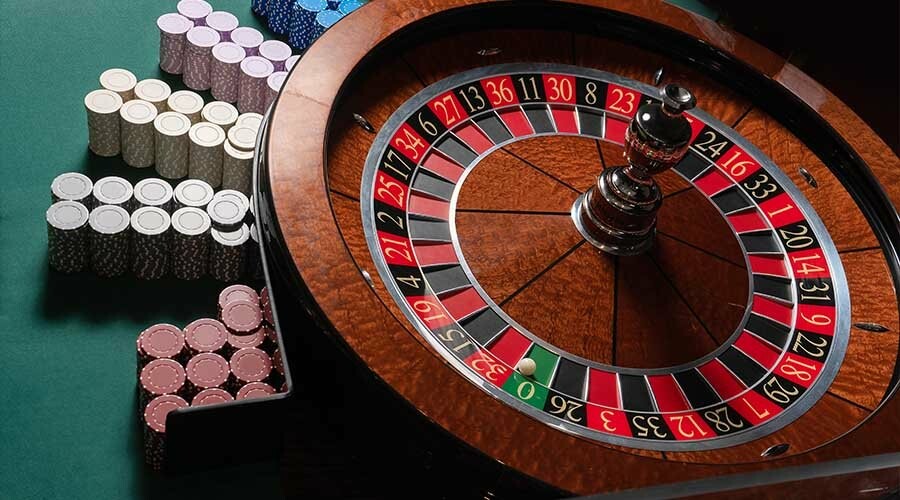
This psychological phenomenon, often referred to as “the thrill of the chase,” can be traced to the brain’s reward system. When a player wins, the brain releases dopamine, creating a feeling of pleasure and satisfaction. This response encourages gamblers to return to the casino, seeking to replicate that rush and dive into the world of chance once more.
The Illusion of Control
Another psychological aspect that drives gambling behavior is the illusion of control. Many players believe they can influence the outcome of games, despite the inherent randomness involved. This belief is particularly prevalent in games like blackjack or poker, where strategic thinking is involved. Players often feel that their skills can tilt the odds in their favor, leading them to underestimate the house edge.
This illusion does not only heighten the excitement; it also contributes to a sense of empowerment among gamblers. When players believe they are in control of their destiny, they are more likely to continue gambling, often leading to more significant risks and losses. This psychological trap can turn a casual player into a habitual gambler, driven by the desire to prove their skill and regain lost bets.
The Role of Escape
For many, casino gaming serves as an escape from reality. The vibrant environment, filled with lights, sounds, and excitement, provides a temporary refuge from daily stressors. This allure transforms gambling into an activity that offers not just entertainment, but also a way to forget personal challenges or hardships.
The escapism aspect of gambling can be particularly compelling for those dealing with anxiety or depression. As players immerse themselves in the thrilling atmosphere of a casino, they temporarily forget their problems. However, this can lead to a cycle where individuals gamble to avoid facing their issues, potentially resulting in compulsive behavior and financial difficulties in the long run.
The Social Aspect of Gambling
Gambling is often a social activity, drawing in groups of friends or family seeking a shared experience. The social interaction can enhance the pleasure derived from gaming, as individuals cheer each other on or commiserate over losses. This communal aspect can create a sense of belonging, making the experience more enjoyable and encouraging repeat visits.
Moreover, many casinos foster a sense of camaraderie by organizing events and competitions, which further entrench the idea of gambling as a social pastime. While the social dynamics can enhance the fun, they can also normalize gambling behaviors, making it easier for individuals to fall into patterns of addiction.
Understanding Responsible Gaming on Our Website
Our website is dedicated to providing essential information about responsible gaming and the psychological aspects behind gambling. We aim to guide visitors towards understanding their behaviors and making informed choices when it comes to gaming. By offering resources and insight into the psychology of gambling, we hope to foster a healthier perspective on this popular form of entertainment.
If you encounter any restrictions while navigating our site, such as a “403 – Forbidden” error, please be aware that we are continually updating our content to ensure a user-friendly experience. We encourage you to return later for more valuable resources and guidance on responsible gaming practices.